 Luke Ellard Named Assistant Professor of Clarinet




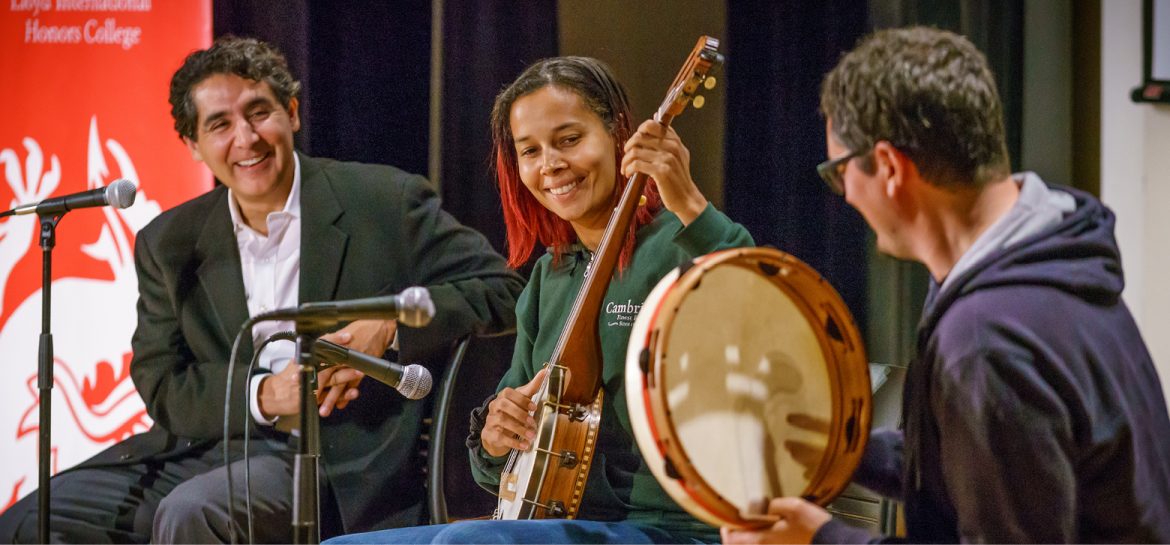

Transform. Explore. Inspire.
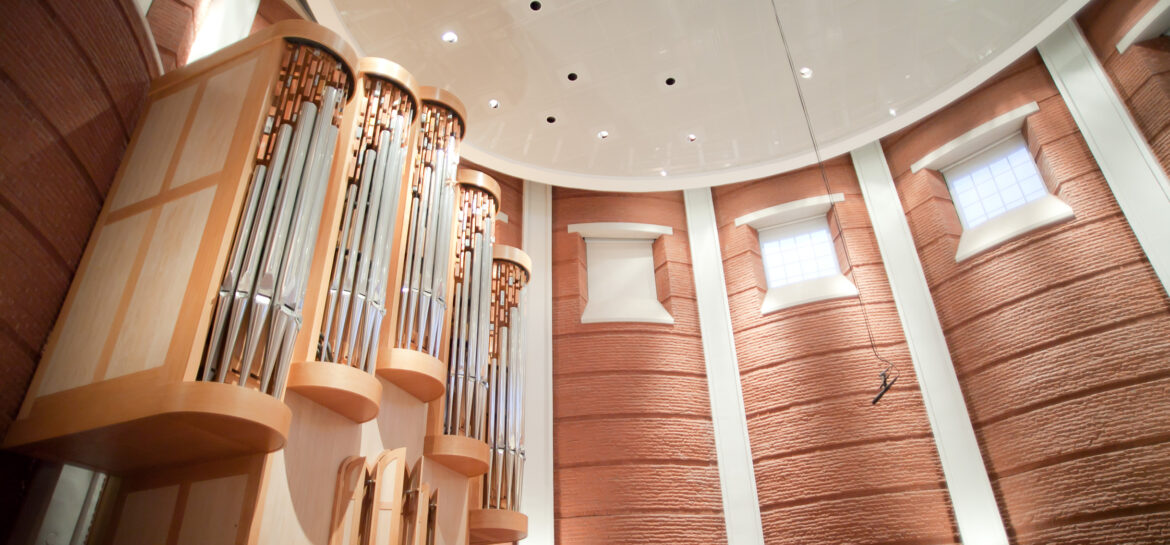
Long recognized as one of the top music institutions in the United States, the UNCG School of Music offers the only comprehensive degrees in music education and music performance in the State of North Carolina, from the undergraduate level through doctoral study. Our outstanding facilities, world-class faculty, and numerous ensemble experiences foster an environment of artistic and academic success.
Prospective Undergraduate
Prospective Graduate
Current Students
Faculty & Staff Resources
Patrons & Community
Alumni
UNC Greensboro is accredited by the Southern Association of Colleges and Schools Commission on Colleges (SACSCOC) and the National Association of Schools of Music.
Upcoming Music Events
Wed
17
Wed
17
Wed
17
Wed
17
Wed
17